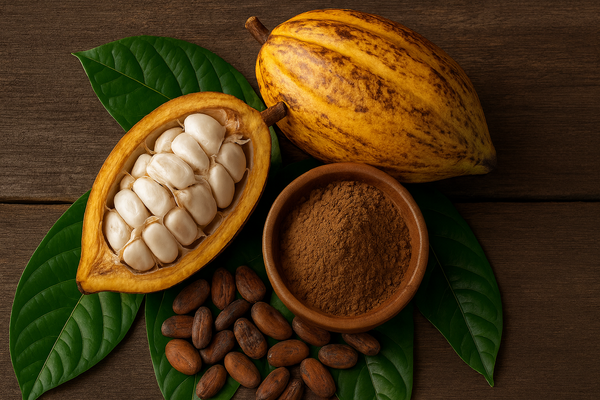
Adequate Soil Moisture Supports Ivory Coast Cocoa Mid-Crop

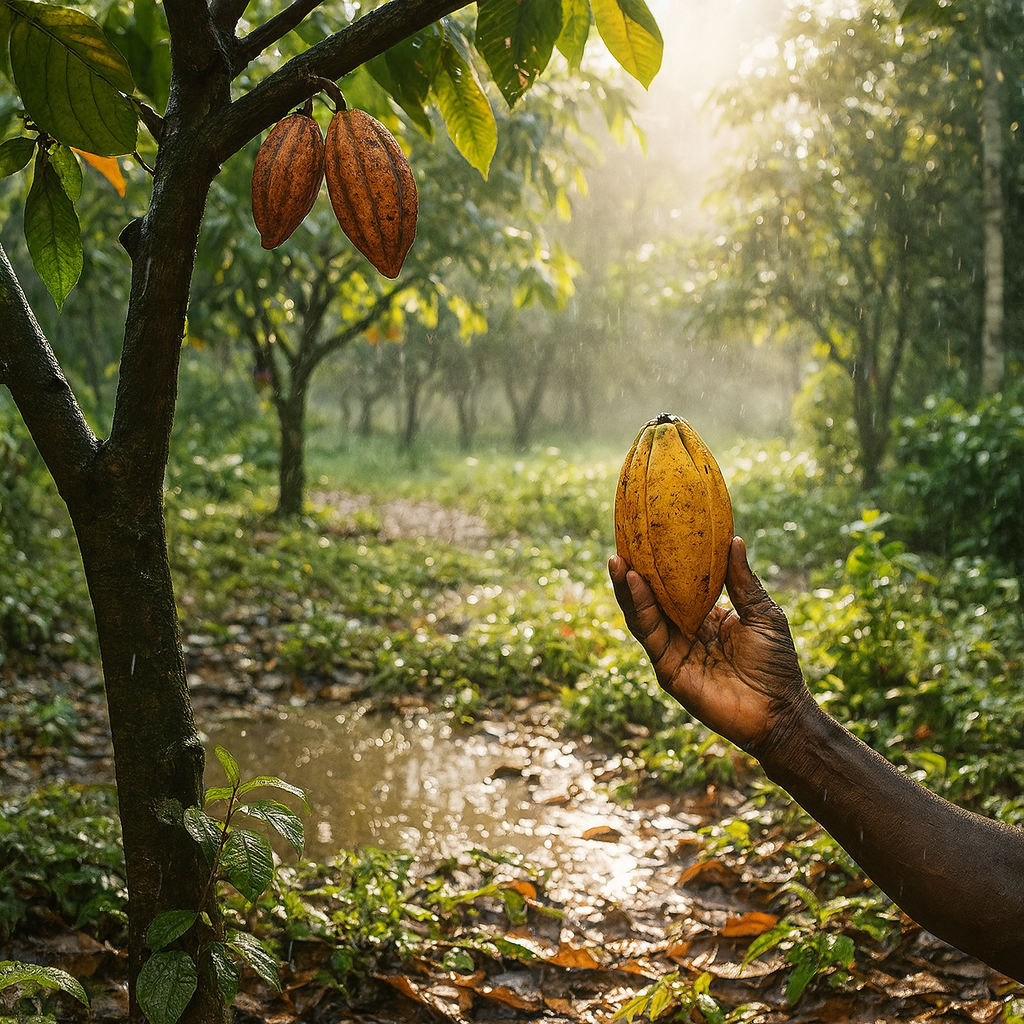
Ivory Coast’s cocoa-growing regions recorded below-average rainfall last week, but farmers say soil moisture levels remain sufficient to support the development of the April to September mid-crop.
As the world’s largest cocoa producer enters its dry season, which typically runs from mid-November to March when rainfall is limited, farmers report that retained soil moisture is helping cocoa trees produce flowers and develop young pods. Additional rainfall forecast in the coming weeks is expected to further support crop growth and improve bean quality.
The current main crop, which runs until March, has been described as modest, with many farmers saying a large share of available beans has already been sold. Concerns remain over potential quality deterioration due to inadequate storage conditions, while some growers have delayed harvesting ripe pods because of uncertainty over payments.
Rainfall patterns varied across regions. Western areas such as Soubré and southern zones near Divo recorded below-average rainfall. Central regions including Daloa and Yamoussoukro also saw lower-than-normal precipitation. In contrast, eastern regions such as Abengourou and central-eastern areas including Bongouanou reported above-average rainfall, supporting a more favourable mid-crop outlook.
Farmers in Abengourou said rainfall levels were well above historical averages, boosting confidence in mid-crop yields. Similar optimism was reported in Bongouanou, where rainfall exceeded long-term norms. In Daloa, rainfall remained slightly below average, yet farmers continued to express confidence in output levels.
The seasonal Harmattan wind, which normally blows from the Sahara between December and March, has weakened. Farmers believe this, combined with recent rainfall, will help ensure sufficient cocoa supply during the mid-crop period.
Average weekly temperatures across Ivory Coast last week ranged between 28.6 degrees Celsius and 32 degrees Celsius.