Brazil Suspends Cocoa Imports from Ivory Coast Over Phytosanitary Concerns


Brazil’s Ministry of Agriculture has temporarily suspended cocoa bean imports from Ivory Coast, citing phytosanitary concerns, according to an official statement reported by Reuters on 24 January 2026. The decision follows the detection of insect infestation in recent shipments arriving at Brazilian ports. Authorities have retained the affected cargoes and requested clarification from Ivorian officials. Until further notice, new import authorizations for Ivorian cocoa are on hold, with the measure described as precautionary and temporary.
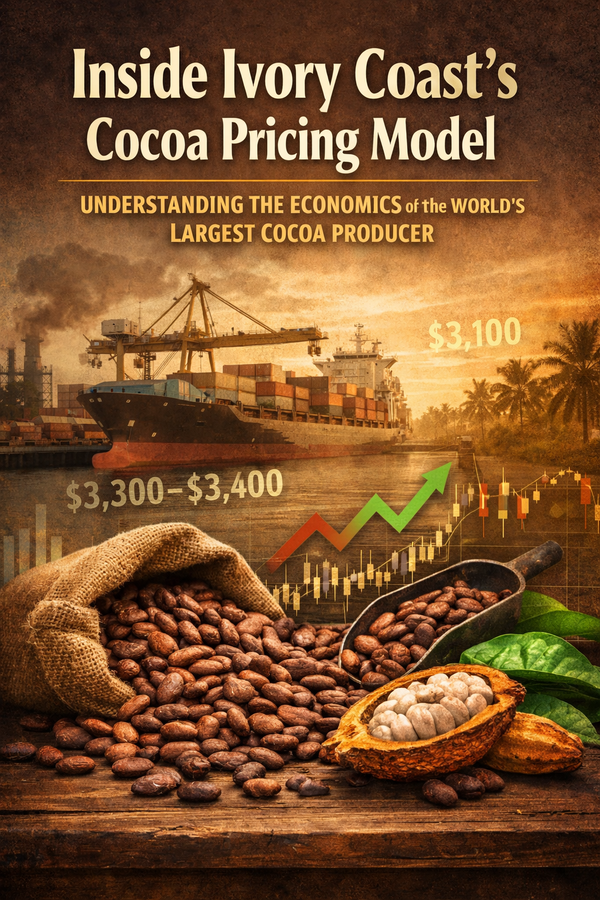
The suspension is significant because Ivory Coast is the world’s largest cocoa producer, accounting for roughly 40% of global supply. Any disruption involving Ivorian exports naturally attracts market attention. Although Brazil is itself a cocoa-producing nation, it is also a major grinder and chocolate manufacturer, and in recent years it has relied increasingly on imported beans from West Africa to supplement domestic production. A halt in Ivorian shipments could therefore affect Brazil’s short-term bean availability and alter procurement strategies among local processors.
From a regulatory standpoint, phytosanitary measures are standard tools used to prevent the introduction of pests and plant diseases. In cocoa, infestation risks typically involve storage insects that can survive transport if post-harvest handling or fumigation protocols are insufficient. If Brazilian inspectors identified contamination that posed a legitimate risk to domestic agriculture, the suspension would fall within established sanitary and phytosanitary frameworks under international trade rules. However, market participants will likely assess whether the action is purely technical or partly influenced by domestic industry pressures, as Brazilian cocoa farmers have recently expressed concerns about rising imports from Africa.
In terms of market impact, the duration of the suspension will determine its significance. If it proves to be a short administrative pause lasting only days or weeks, the global supply balance will remain largely unchanged, with cargoes potentially rerouted to alternative destinations. In that case, the price effect would likely be limited to short-term volatility driven by sentiment. However, if the suspension extends over a longer period, Brazilian grinders may need to compete more aggressively for beans from other origins, potentially tightening physical differentials and adding upward pressure to nearby futures contracts.
The broader cocoa market context amplifies the sensitivity of such news. The sector has experienced two consecutive deficit seasons, with West African production constrained by weather variability, disease pressure, aging tree stock, and chronic underinvestment at farm level. In an already tight balance sheet environment, even localized logistical disruptions can reinforce bullish narratives and heighten speculative positioning.
At present, there is no indication that other importing countries are considering similar measures against Ivorian cocoa. The immediate focus will be on clarification from Ivory Coast authorities, the treatment of shipments already in transit, and signals from Brazilian grinders regarding alternative sourcing. If the issue is resolved quickly, its impact on global pricing may fade. If not, it could become another factor contributing to uncertainty in an already fragile cocoa supply chain.