Cocoa Instead of Coffee: The Case for a Different Kind of Morning Energy
Coffee delivers rapid stimulation. Cocoa supports sustained energy through circulation and theobromine. A physiological comparison of two energy models.

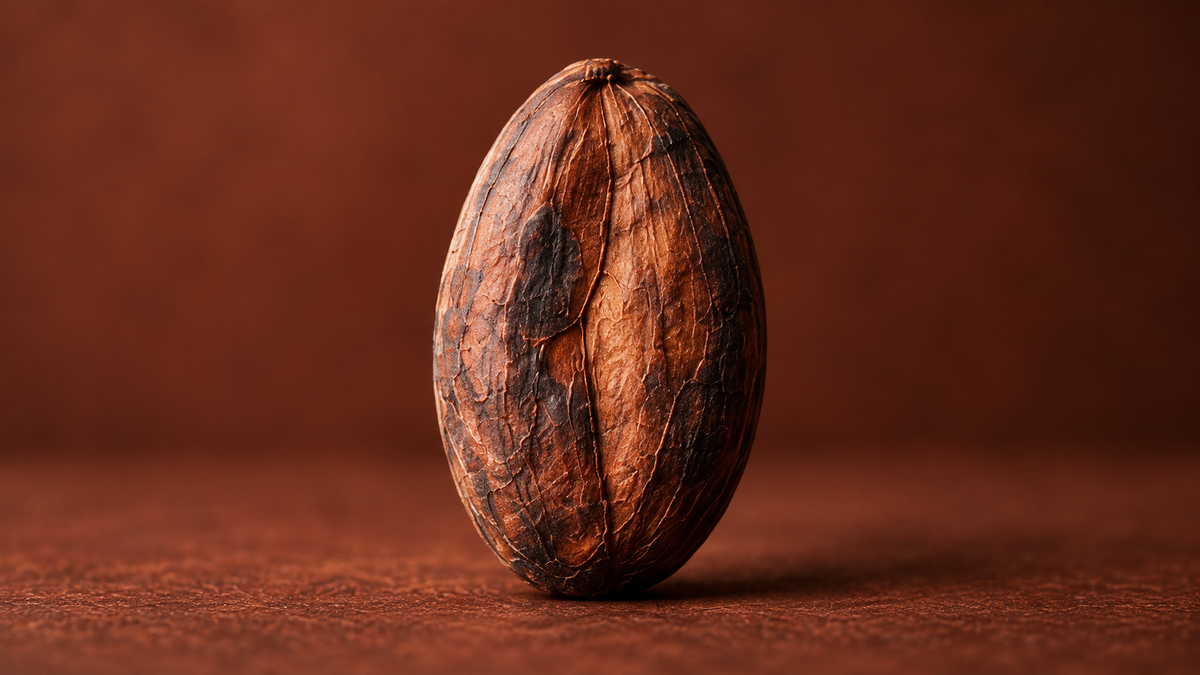
Coffee dominates the modern morning, but dominance is not optimization. It delivers rapid alertness through acute stimulation. Cocoa operates through a slower, vascular, and sustained physiological profile. The distinction is structural.
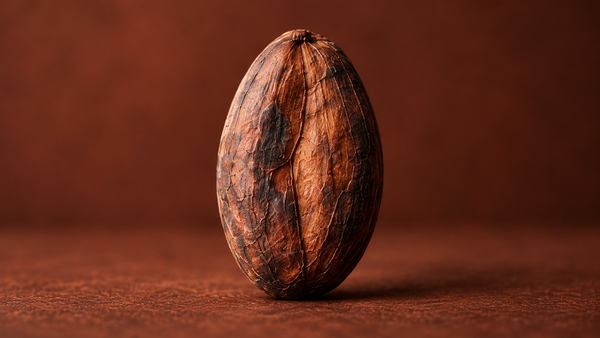
Before coffee spread globally, cacao-based drinks were already consumed in Central America as bitter, functional preparations associated with stamina and endurance. Coffee did not replace cocoa because it was superior. It replaced it because it was easier to standardize, distribute, and ritualize. Cocoa was redirected into chocolate, where sugar and fat diluted its functional properties, often reducing flavanol content to <50 mg per serving, far below functional levels.
The result is path dependence: a more complex stimulant displaced by a more operational one.
Two molecules, two models of energy
Both coffee and cocoa rely on methylxanthines, but they produce fundamentally different outcomes.
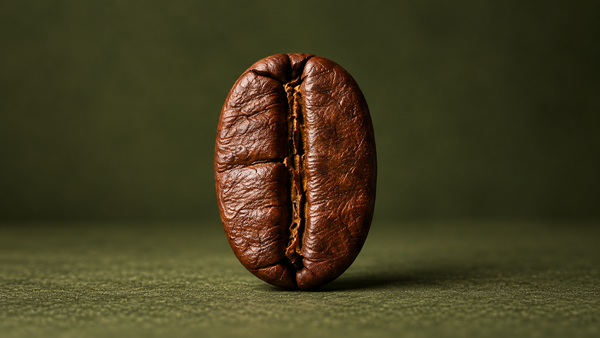
A standard cup of coffee delivers ~80–120 mg caffeine, with negligible theobromine. Caffeine acts as an adenosine receptor antagonist, increasing neuronal firing and promoting dopamine and norepinephrine release. Its effects emerge within 15–45 minutes and decline over a 3–5 hour half-life, producing rapid, high-intensity alertness with a defined rise and fall.
Cocoa contains less caffeine (~10–60 mg), but its dominant compound is theobromine, typically in the range of ~200–600 mg in a functional serving. Theobromine produces weaker central stimulation and stronger peripheral effects, particularly vasodilation and smooth muscle relaxation. Its half-life extends to ~7–12 hours, roughly 2–3× longer than caffeine, resulting in slower onset and sustained presence.
This reflects two distinct models:
Coffee increases output through stimulation.
Cocoa improves the system that supports output.
The vascular mechanism
Cocoa’s primary advantage is vascular. Its flavanols, especially epicatechin, stimulate nitric oxide production in the endothelium, leading to measurable vasodilation. Controlled studies using flow-mediated dilation show improvements of approximately ~1–3% in absolute FMD, a clinically meaningful increase in endothelial function.
The implication is straightforward: cocoa enhances blood flow at the systemic level.
Effects on the brain
This vascular effect extends to cerebral circulation. High-flavanol cocoa has been shown to increase cerebral blood flow by approximately ~5–15% in targeted brain regions, improving delivery of oxygen and glucose under cognitive demand.
By contrast, caffeine can acutely reduce global cerebral blood flow by roughly ~20–30% via vasoconstriction, even while increasing perceived alertness.
The distinction is structural: coffee amplifies signaling; cocoa improves resource delivery.
Antioxidants and systemic effects
Cocoa is one of the most concentrated dietary sources of polyphenols, particularly flavanols. While coffee contributes significantly to total polyphenol intake due to volume, cocoa delivers higher concentrations per gram.
At functional doses (~300–600 mg flavanols), cocoa intake is associated with reduced oxidative stress, improved endothelial responsiveness, and enhanced vascular integrity. This reinforces its role as a systemic support input rather than a purely stimulatory one.
Coffee vs Cocoa
| Feature | Coffee | Cocoa |
|---|---|---|
| Primary stimulant | Caffeine | Theobromine |
| Caffeine content | 80–120 mg | 10–60+ mg |
| Mechanism | CNS stimulation | Circulatory + mild CNS |
| Stress response | Variable, dose-dependent | Generally milder |
| Vascular effect | Mixed | Vasodilation (flavanols) |
| Brain blood flow | Often reduced acutely | May increase |
| Polyphenols | Moderate (high total intake) | High concentration |
Intensity vs stability
Cocoa contains less caffeine and produces a weaker acute stimulus. This is accurate but incomplete.
It does not compete on intensity. It combines moderate stimulation with improved circulation and metabolic support. The relevant comparison is not peak alertness, but stability of performance over time.
Coffee is optimized for rapid activation.
Cocoa is optimized for sustained function without overstimulation.
The real barrier is behavioral
Cocoa’s limitation is not biochemical but procedural.
Coffee is standardized: dose, preparation, and effect are predictable, and its use is embedded in daily ritual. Cocoa lacks this structure. It is often bitter, inconsistently prepared, and typically consumed in forms that suppress its functional properties.
The constraint is not rejection. It is inaccessibility.
What a functional cocoa system looks like
For cocoa to function as a daily energy input, it must be standardized:
Form: high-flavanol cocoa or cacao (not sweetened chocolate)
Dose: sufficient to deliver ~300–600 mg flavanols
Preparation: water or minimal-fat base to preserve bioavailability
Timing: morning or early afternoon, optionally combined with low-dose caffeine
In this configuration, cocoa becomes a functional system rather than a treat.
An overlooked economic opportunity
This asymmetry is structural. Coffee is optimized for beverages; cocoa is optimized for confectionery. This reflects industrial development, not inherent limitations of the crop.
Positioning cocoa as a standardized functional beverage would expand consumption occasions, stabilize demand beyond chocolate, and shift value upstream.
Conclusion
Coffee’s dominance is historical, not physiological. It delivers intensity efficiently, but with volatility. Cocoa offers a different model: sustained delivery, vascular support, and metabolic stability.
The constraint is not chemistry. It is adoption