Ivory Coast Cocoa Farmers Call for More Rain to Support Mid-Crop Development

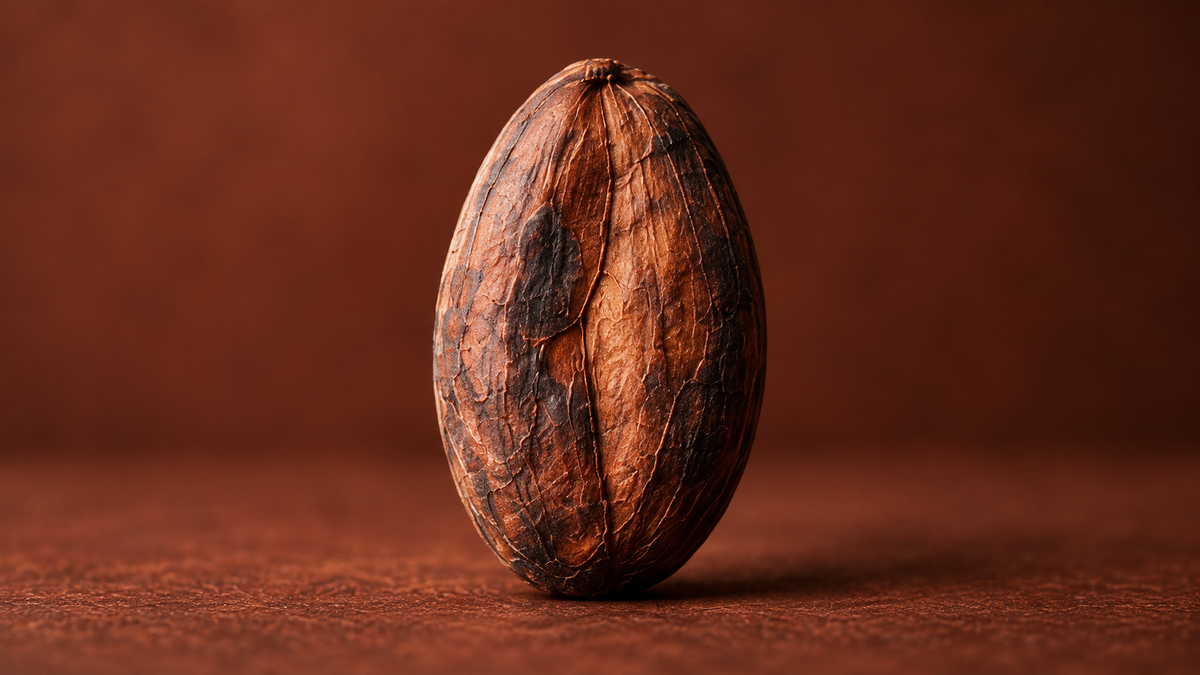
Cocoa farmers across Ivory Coast say additional rainfall is urgently needed to support the development of the upcoming April–September mid-crop, after large parts of the country recorded little to no rain last week.
The world’s largest cocoa producer is currently in its dry season, which typically runs from mid-November through March. During this period, rainfall is limited, and farmers reported that recent conditions have been particularly hot, increasing moisture stress on cocoa trees.
Growers said more rain is required to encourage flowering and to help young flowers develop into healthy pods. Many farms already have small, developing fruits on trees, but farmers warned that without sufficient moisture in the coming weeks, yields and bean quality could be negatively affected. Adequate rainfall in February is considered especially important for determining mid-crop potential.
Harvesting of the main cocoa crop is now slowing, according to farmers. However, selling conditions remain difficult. Buyers have been reluctant to pay the official farm-gate price of 2,800 CFA francs per kilogram, forcing some distressed farmers to sell beans at prices as low as 2,000 CFA francs per kilogram.
Farmers in central regions reported experiencing a mild Harmattan wind, a dry, dusty wind that blows in from the Sahara between December and March. While Harmattan conditions have been less severe than usual so far, growers remain concerned that stronger winds could further dry soils and damage developing pods.
In areas such as Daloa, Bongouanou, and Yamoussoukro, no rainfall was recorded last week. Farmers there are hoping for showers in the days ahead and are optimistic that if rainfall improves and Harmattan conditions remain weak, the mid-crop could still develop well.
Western and southern regions, including Soubre, Divo, Agboville, and Abengourou, also experienced little or no rainfall, with precipitation well below five-year averages. Farmers in these areas said the mid-crop is forming, but stressed that more rain is needed to improve bean size and quality.
Average temperatures across Ivory Coast last week ranged between approximately 28°C and 31°C, adding to concerns about moisture stress on cocoa trees.
Overall, farmers say the next few weeks will be critical. Timely rainfall and continued mild Harmattan conditions could still support a healthy mid-crop, but prolonged dryness would raise risks for both yields and bean quality.