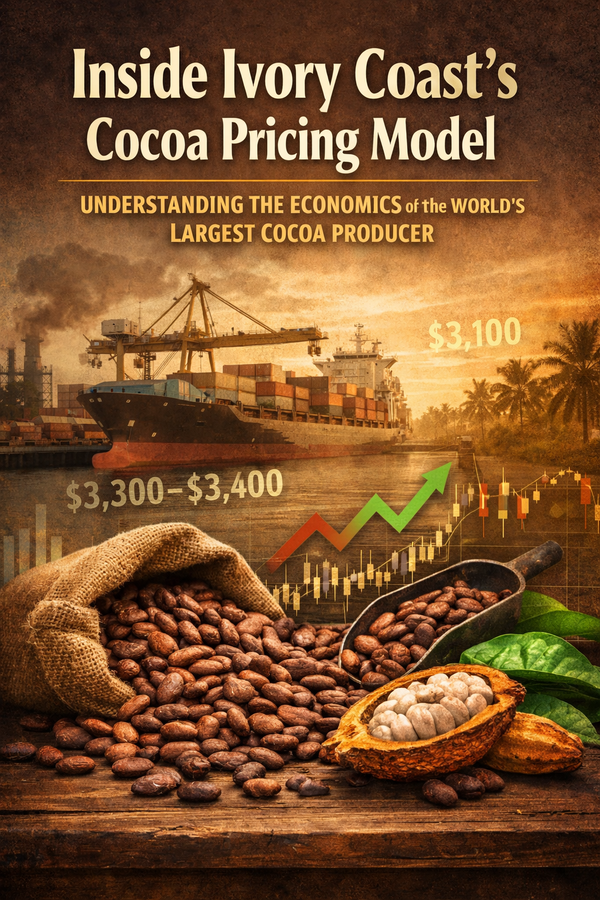
Ivory Coast Cocoa Farmers Signal Stronger 2025/26 Yields Despite Weather Irregularities

(Source: Reuters, Dec 29, 2025)
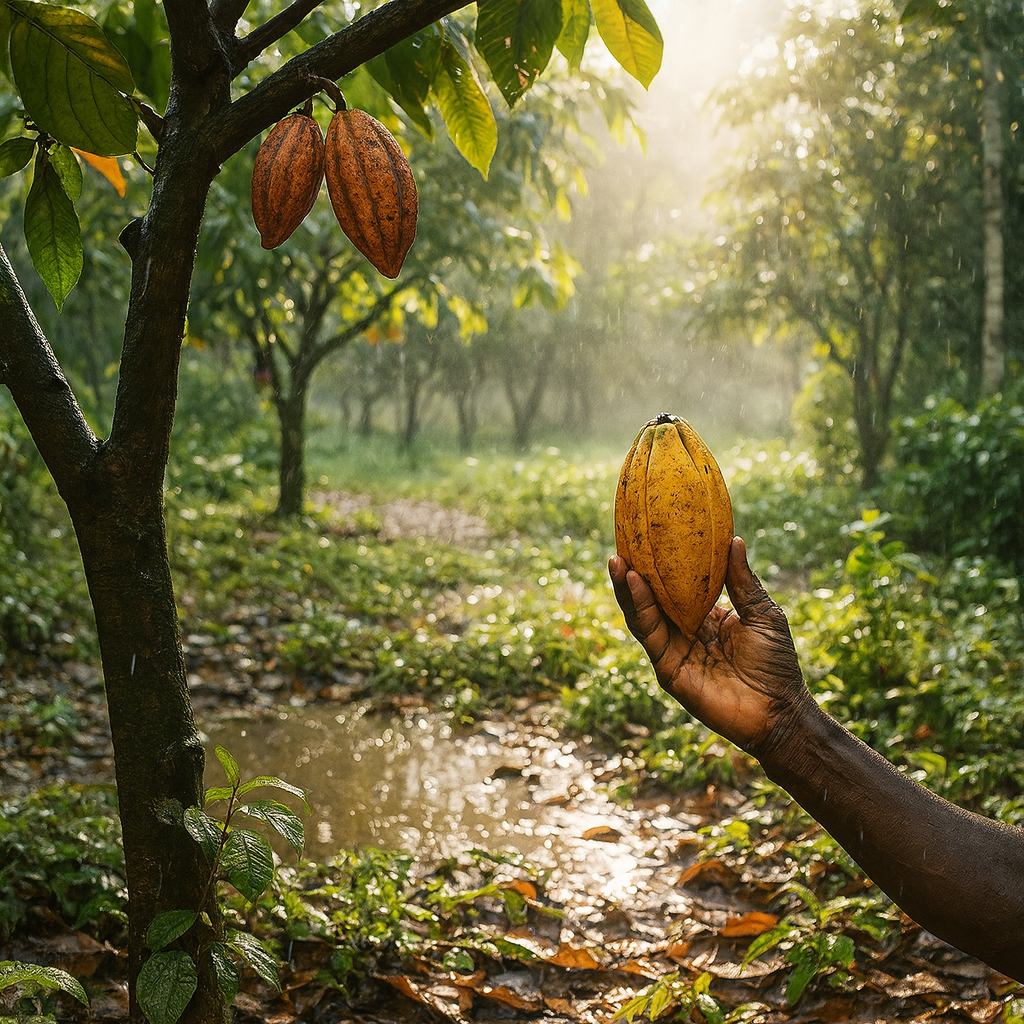
Cocoa farmers across Ivory Coast anticipate above-average January–March 2026 harvest volumes, citing improving crop prospects during the final stage of the October-to-March main season, according to a Reuters field report.
Ivory Coast, the world’s largest cocoa producer, is currently in its official dry season window (mid-November to March)—a period when farm-gate supply sensitivity to rainfall deficits, Harmattan winds, and soil moisture becomes most pronounced for forward crop formation.
Recent weather trends show light rains sweeping key cocoa-growing regions last week, strengthening expectations for February-to-March bean output. Many farmers reported that trees are responding well, with pods developing in greater abundance compared to the same period last season.
Farmers in the south-central town of Divo confirmed that while rainfall was below normal early in the season, conditions have improved enough to support a longer, high-quality crop cycle. One farmer told Reuters:
“It continues to rain and the trees are doing well. The main crop will be long and of good quality this season, a bit above five-year average.”
In Diwata, near Soubré, cumulative rains measured 8.6 mm, above average, while the south-western region of Soubre saw 2.6 mm, below average, reflecting continued uneven precipitation distribution. Farmers in the central-western and Abidjan-adjacent regions of Bongouanou and Yamoussoukro also noted weather inconsistency, but remain optimistic about yield potential.
The delayed onset of Harmattan winds, which historically bring dryness and dust stress that can disrupt soil balance, limit flowering, and degrade pod integrity, has further contributed to improved expectations. Farmers reported that weaker Harmattan activity could support better soil moisture retention and improved yield structure, allowing farms to build biomass and pod size more efficiently.
In Agboville, farmers expect that harvest supply may surprise positively, even though rainfall was below average earlier in the season.
Export sentiment also appears firm. Farmers near Daloa, where recent rainfall dropped to 2 mm, acknowledged price volatility, but expressed confidence in strong selling volumes:
“We will have a lot of beans to sell, but sales are slow,” one exporter stated, pointing to temporary liquidity constraints rather than crop failure risk.
Average regional temperatures reported by farmers remained stable at 27.2 to 30 degrees Celsius, within optimal yield development range.
The combination of delayed seasonal dryness stress, improving rainfall trends, and positive farmer field feedback reinforces the outlook for a strong 2025/26 cocoa crop, with the potential to exceed last season’s mid-cycle performance.
Reporting by: Loucoumane Coulibaly (Reuters)
Edited by: Ayen Deng Bior and Susan Fenton