Ivory Coast Rains Support Development of Upcoming Cocoa Mid-Crop

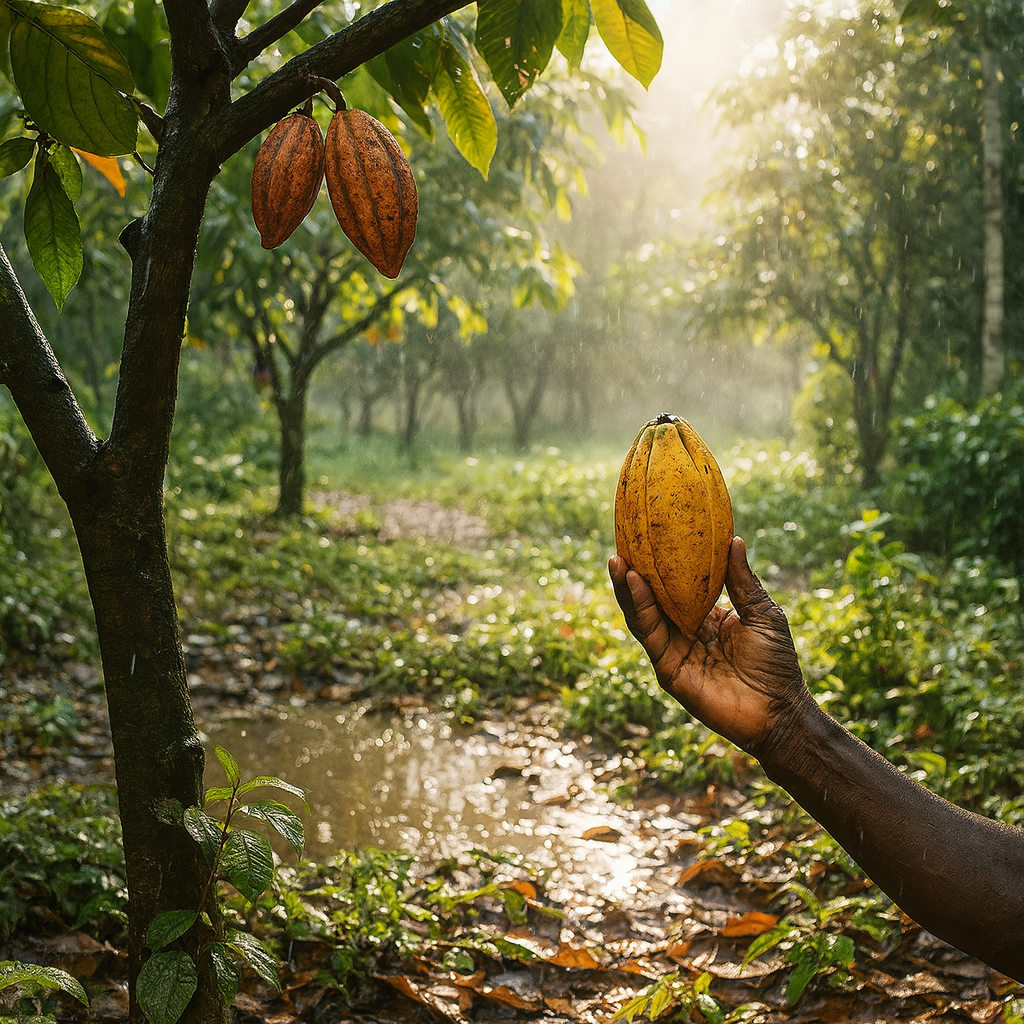
Rainfall patterns across Ivory Coast’s main cocoa-growing regions last week have been broadly supportive of the April–September mid-crop, according to farmers. Although precipitation remained mostly below seasonal averages, the combination of light rains and sunny conditions helped maintain soil moisture and supported flowering on cocoa trees.
Ivory Coast, the world’s largest cocoa producer, is currently in its dry season, which typically runs from mid-November through March. During this period, rainfall is usually limited, making even modest precipitation important for crop development.
Growers across several regions said last week’s rainfall was sufficient to sustain trees and encourage flower formation, though many stressed that additional rain before month-end would be needed to improve flower retention and support their conversion into small pods.
Some cooperatives indicated they were ready to sell cocoa beans, but buying activity remained subdued. Farmers noted that harvesting of the main crop is slowing, while larger volumes of beans are expected to be ready for transport in February and March.
In western areas near Soubre, rainfall remained below the five-year average, but farmers said conditions were timely for flower development. In southern regions such as Divo, where rainfall exceeded average levels, and in Agboville and Abengourou, where rains were lighter, farmers reported that the mid-crop was progressing well despite difficulties finding buyers.
In the centre-western and central regions, including Daloa, Bongouanou, and Yamoussoukro, farmers said that if weather conditions remain favorable in February, the mid-crop could begin strongly in April.
Average weekly temperatures across cocoa-growing areas ranged between 28°C and 30.5°C, consistent with seasonal norms.