Ivory Coast Regulator Steps Up Cocoa Buying as Bean Quality Declines

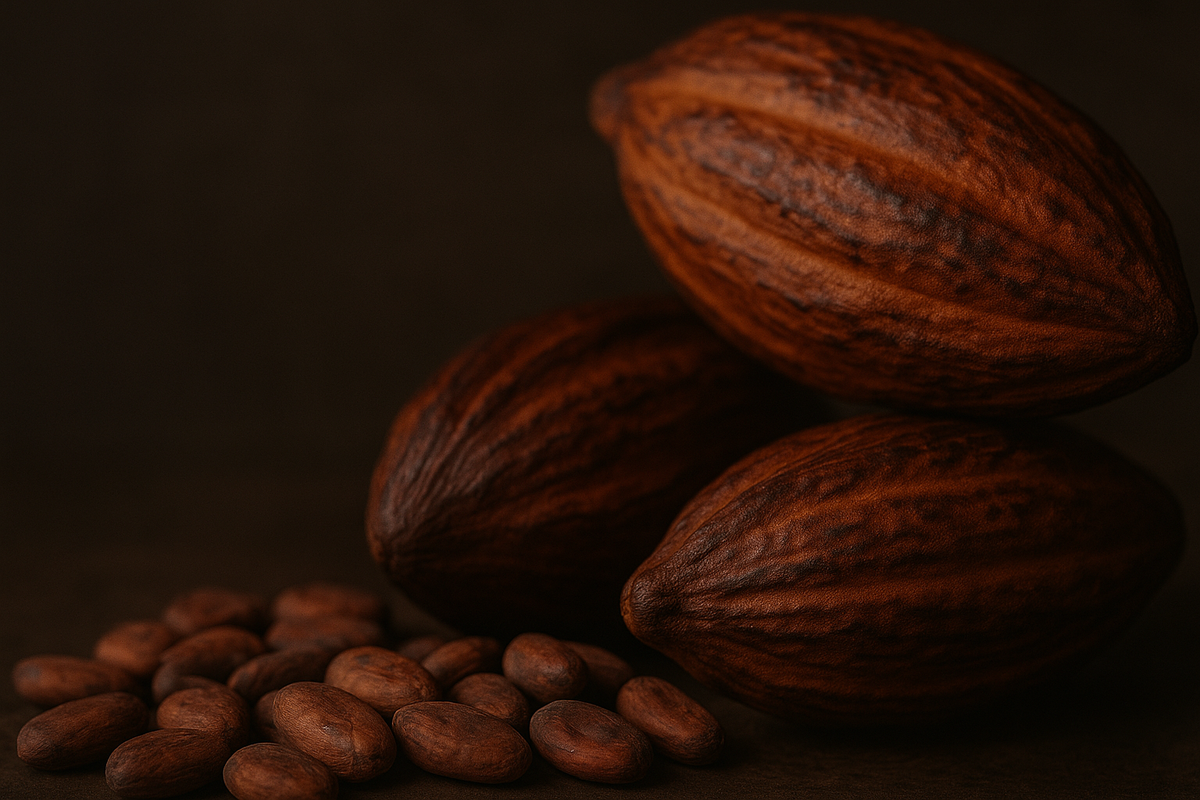
Ivory Coast’s cocoa regulator has sharply increased its weekly cocoa purchases after growing concerns over the condition of beans held by farmers and traders, according to industry sources.
The Coffee and Cocoa Council (CCC) has raised its weekly buying target to 20,000 tonnes, starting this week, in an effort to prevent further deterioration of cocoa stocks that have been stored under poor conditions. Officials fear that continued delays could reduce bean value and create complications for exports.
Industry participants say a significant portion of the cocoa is being stored in nylon sacks, which trap heat and moisture. Unlike traditional jute bags, nylon does not allow air circulation, accelerating spoilage and increasing the risk of quality loss. The use of these cheaper bags has reportedly become more common among farmers.
To address the issue, the CCC is purchasing cocoa directly from producers, transferring it into controlled storage facilities, and attempting to move the beans to exporters as quickly as possible. However, several market participants warn that resale may prove difficult due to the weakened quality of the stock.
Exporters have already voiced reservations. One manager at a European export firm operating out of San Pedro said their company had been offered cocoa under the programme but remained reluctant to buy, citing prolonged storage and substandard conditions. He added that attracting buyers would likely require price reductions.
The stepped-up buying forms part of a broader initiative launched by the regulator to acquire up to 100,000 tonnes of cocoa from farmers who have been unable to sell at the state-guaranteed price. The programme secured around 200 tonnes on its first day, followed by more than 5,000 tonnes over the weekend, according to sources.
The CCC hopes the initiative will also ease procurement bottlenecks in rural regions, where farmers have reported increased pressure from private buyers offering prices below the official minimum.
Under current policy, the regulator pays farmers 2,800 CFA francs per kilogram, while independent buyers in less-served areas are reportedly offering between 2,300 and 2,500 CFA francs. CCC officials acknowledge that limited coverage makes it difficult to operate everywhere at once, noting that direct purchasing is not the regulator’s primary function.