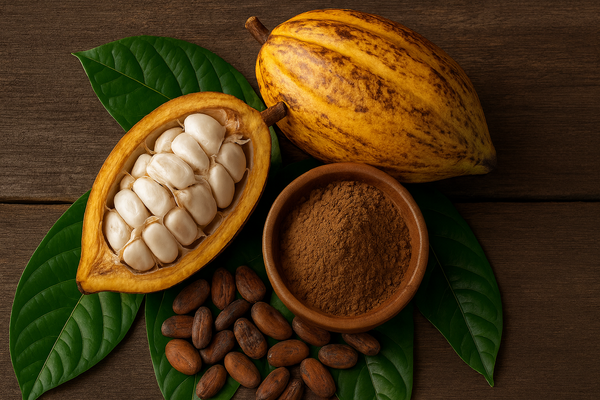
Light Rain and Mild Weather Improve Ivory Coast Cocoa Crop Outlook

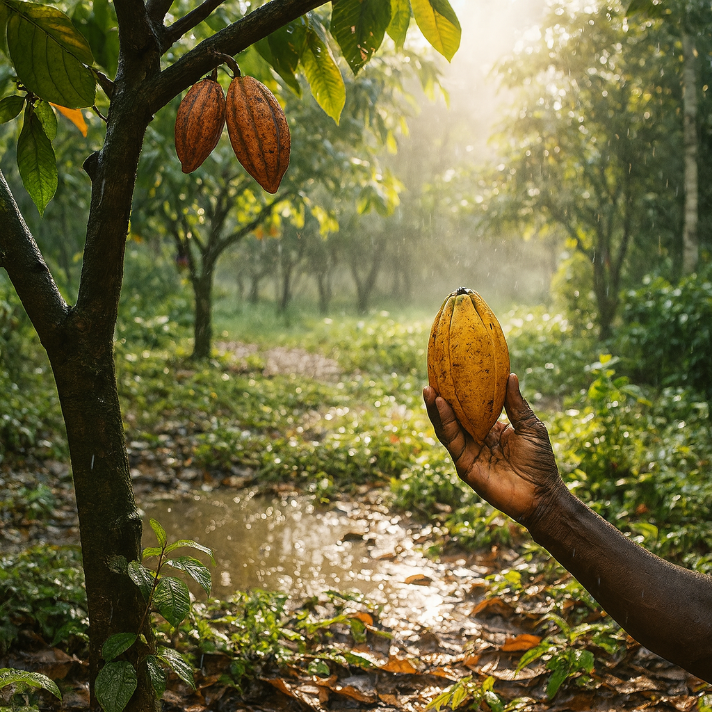
Light rainfall combined with mild weather last week has improved expectations for cocoa production in many of Ivory Coast's main growing regions. Farmers told Reuters that although recent rains were still below normal levels for this period, they were enough to support pod growth and maintain bean quality for the harvest that begins in February.
Ivory Coast is currently in its dry season, which lasts from mid November to March. Rain is usually limited during this period, yet growers across several regions explained that conditions so far suggest there will be no major supply disruptions for the February and March harvest. Many farmers said that if weekly rainfall remains steady through late December, the crop harvested early next year should remain in good condition.
Farmers also noted that many beans were still ripening on trees. They said the volume expected to reach the market in December would likely exceed October and November levels because many larger pods were maturing later in the season.
Some concerns remain regarding the Harmattan. This is a dry wind that sweeps down from the Sahara sometime between December and March. It can sharply reduce humidity and, if it persists for several weeks with strong intensity, it can dry out pods and significantly reduce yields. One grower warned that an early and strong Harmattan would cause substantial damage because of the heat and dryness associated with it.
Weather conditions varied across the country.
Farmers in Daloa and in parts of Bongouanou and Yamoussoukro reported below average rainfall, although many beans had still not fallen from the trees.
In Soubré, about 13.5 millimeters of rain was recorded last week, which is slightly under the five year average of 15 millimeters.
Producers in Abengourou also saw rainfall below average, although they described overall crop conditions as healthy.
In the western region of Soubre and in southern areas near Abidjan and Aboisso, rainfall was above average and farmers expected solid harvesting conditions to continue until mid January before volumes began to decline.
Reuters reported that weekly temperatures across the cocoa belt ranged from roughly 27.4 to 30.7 degrees Celsius.