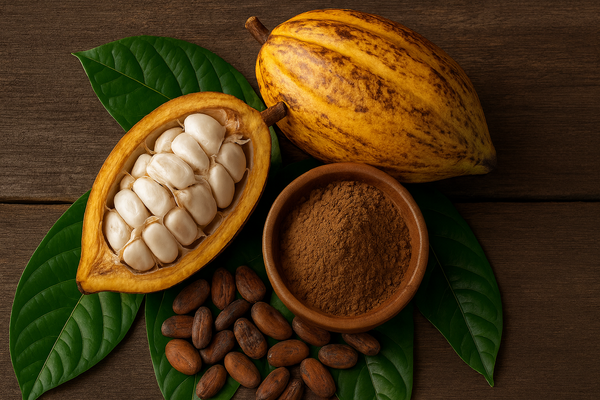
Rainfall across Côte d’Ivoire’s main cocoa regions last week has improved soil moisture and raised expectations for stronger output

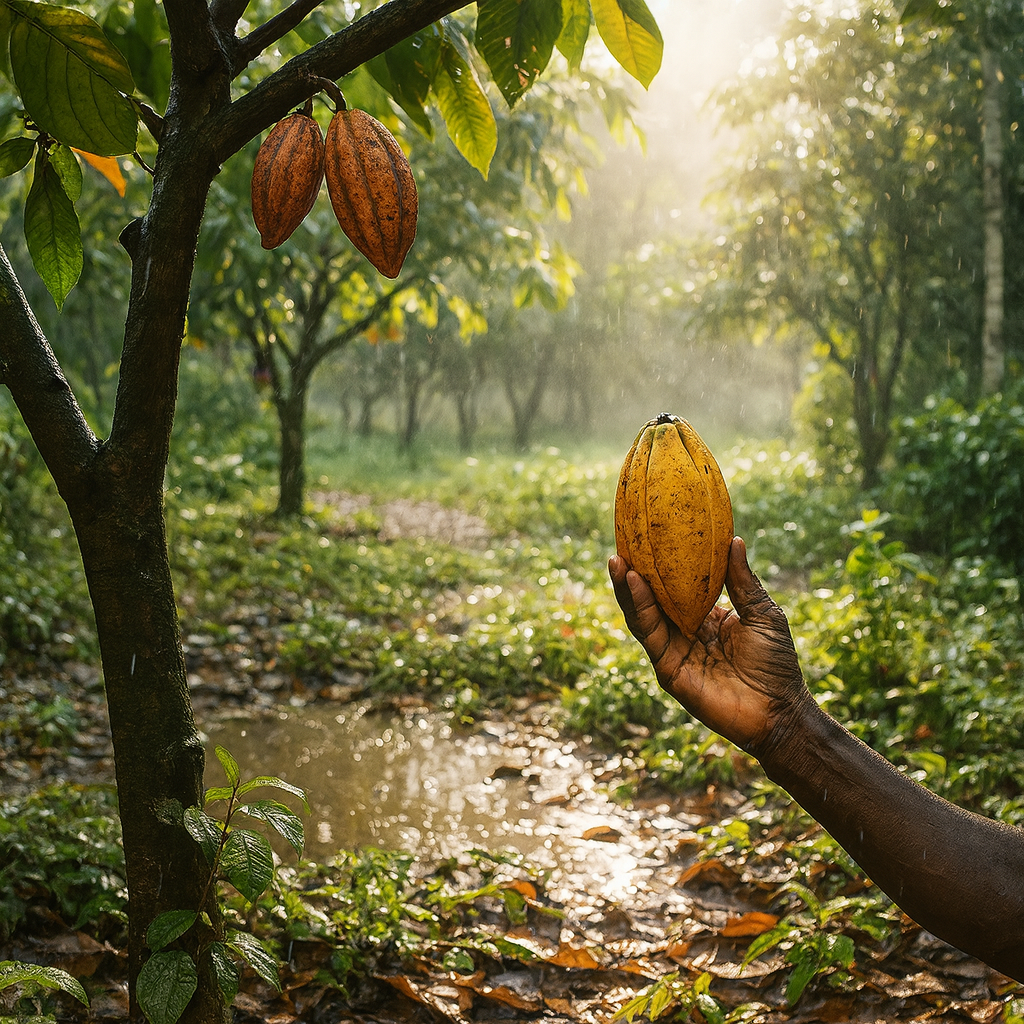
Abidjan, 5 January 2026 – Unseasonal rainfall across Côte d’Ivoire’s main cocoa regions last week has improved soil moisture and raised expectations for stronger output as farmers return from the mid-year dry season, according to reports from Reuters.
Rainfall has been persistent in key producing areas since December and is forecast to continue into March, supporting better flowering and early-pod development ahead of the February and March marketing period, when bean arrivals typically accelerate.
“This is raining heavily… very good for the rest of the (marketing) campaign,” Reuters quoted a farmer near Soubre, where 25.3 mm of rain was recorded last week, roughly 21 mm above the five-year average.
Harvesting of the main mid-crop has begun in parts of the country’s west and center, including Soubré, where farmers expect improved bean size and quality in February and March compared to last season. Central regions such as Daloa and Bonoua have also reported above-average precipitation, with weekly totals exceeding local long-term norms.
Some areas, including Bongouanou and Yamoussoukro, received lower rainfall than the national average, but no major supply disruptions were reported. Farmers in most eastern districts, including Aboisso and Agboville, indicated that steady rainfall has enhanced crop conditions and reduced early-season stress risks.
Growers are now preparing to shift attention toward the peak mid-crop harvest from late January through September, when field activity intensifies and internal bean movements increase.
Average temperatures across the country’s cocoa belt last week ranged between 27.7°C and 30.7°C (81.9°F to 87.3°F), remaining within tolerable thresholds for early crop support while sustained rains bolster development potential.
Source: Reuters cocoa market reporting, 5 January 2026.