Ivory Coast Cuts Cocoa Farmgate Price to 1,200 CFA/kg

Ivory Coast has announced a farmgate cocoa price of 1,200 CFA francs per kilogram for the 2025/26 mid-crop, a level significantly higher than earlier expectations. Prior industry estimates suggested the government would set the price between 800 and 1,000 CFA/kg, reflecting the sharp drop in global cocoa prices over recent months. The final decision therefore represents a partial compromise: the price is still far below the current main-crop rate but less severe than many farmers had feared.
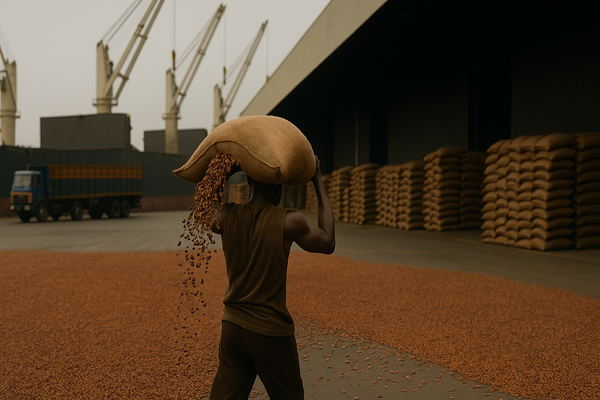
The earlier projected range of 800–1,000 CFA/kg emerged during discussions within the Ivorian cocoa regulator as authorities attempted to adjust the pricing system to rapidly changing market conditions. Ivory Coast operates a fixed farmgate pricing model in which the government guarantees farmers a set price while selling much of the crop forward to international traders. When global cocoa prices collapsed from the historic highs reached in 2024, this system created a serious imbalance. Exporters became reluctant to purchase beans priced above the international market, leading to large quantities of cocoa remaining unsold in warehouses and ports.
The pressure on the system forced policymakers to consider lowering the mid-crop price sharply in order to restore competitiveness. There were also discussions about moving the official start of the mid-crop season earlier than usual so that beans that might normally qualify for the higher main-crop price could instead be sold at the cheaper mid-crop rate. These measures were intended to reduce the gap between domestic prices paid to farmers and the values that exporters could realistically obtain on the global market.
From a market perspective, the new farmgate price could help restore trading activity. Lower domestic prices should make Ivorian cocoa more attractive to exporters and international buyers, potentially easing the backlog of unsold beans. However, reduced income for farmers may also limit spending on fertilizers, farm maintenance, and pest control, which could eventually affect productivity and influence the size of future crops.