Heavy Rains Raise Concerns Over Ivory Coast Cocoa Crop Development

According to a Reuters report published on June 22, 2026, cocoa farmers in Ivory Coast reported concerns that above-average rainfall and persistent overcast conditions could increase flooding and disease risks during the final stages of the mid-crop harvest.
Ivory Coast, the world's largest cocoa producer, is currently in its rainy season, which typically extends from April through mid-November. While rainfall is essential for cocoa tree development, farmers report that precipitation levels in many producing regions have been above normal, creating fears of flooding, disease pressure, and increased insect activity.
According to growers, rains were widespread and often heavy during the past week. Many believe that if the wet pattern continues, excessive moisture could hinder the successful completion of the mid-crop harvest, which runs from April to September.
Farmers are also closely monitoring weather conditions ahead of the next main crop season, which begins in October. Crop development during the coming months will be critical in determining production potential for the new season.
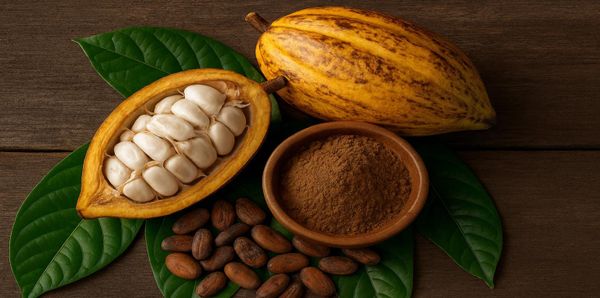
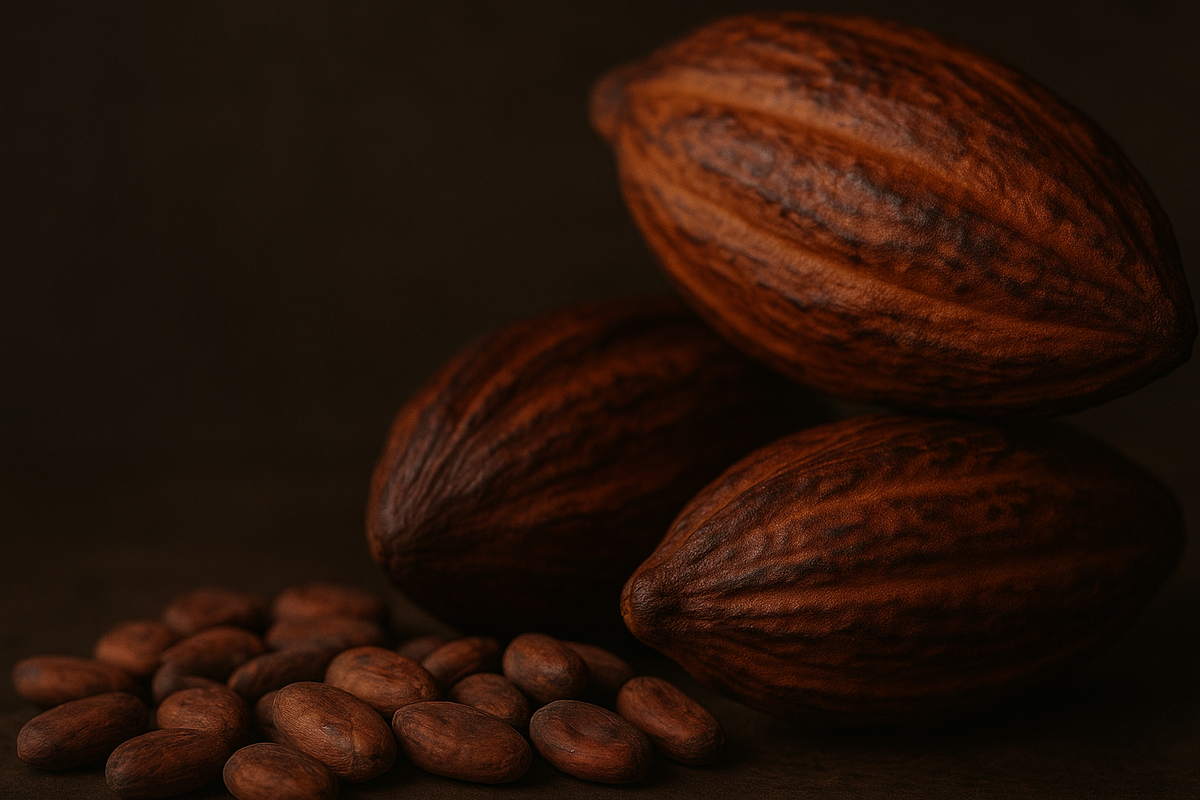
Reports from the field indicate that significant quantities of cocoa pods remain on trees, but buyers have already raised concerns about elevated bean moisture levels resulting from limited sunshine. High humidity and insufficient drying conditions can negatively affect bean quality and increase post-harvest handling challenges.
Several regional differences were observed across the country. In the eastern region of Abengourou, rainfall exceeded seasonal averages by more than 70%, prompting concerns about localized flooding risks. Southern growing areas including Agboville and Divo also experienced above-average precipitation, with farmers warning that prolonged cloud cover and humidity could encourage black pod disease and attract insect pests.
In western regions such as Soubré, rainfall remained below average, while central and west-central areas including Daloa, Bongouanou, and Yamoussoukro recorded well-above-normal rainfall. Despite the abundant moisture, farmers in these regions emphasized the need for increased sunshine during the remaining weeks of the mid-crop season to support bean maturation and drying.
"There is still a small amount of cocoa left on the trees. It is very overcast. Plantations need more sunshine," one farmer in Daloa noted.
Weekly temperatures across Ivory Coast ranged between approximately 26°C and 30°C, generally remaining within favorable levels for cocoa cultivation. However, weather conditions over the next several weeks will likely play a key role in determining both crop quality and the outlook for the 2026/27 season.