Ivory Coast Cocoa Mid-Crop Outlook Weakens as Uneven Rainfall Raises Concerns Over Bean Size and Quality

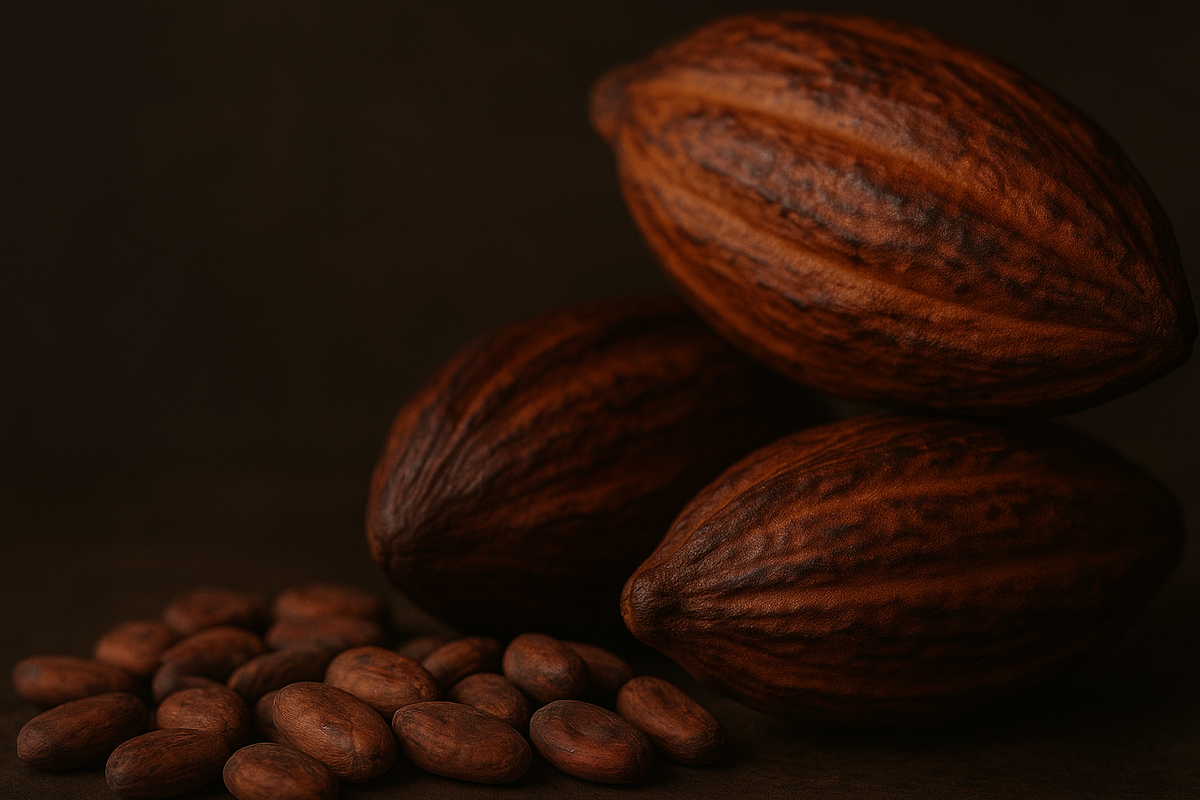
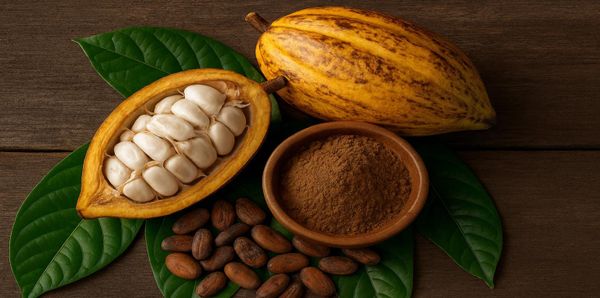
Cocoa farmers across Ivory Coast are becoming increasingly concerned that the country’s 2026 mid-crop may be smaller than previously expected as irregular and below-average rainfall continues to affect several key producing regions. Although cocoa trees are carrying a satisfactory number of pods, insufficient moisture is limiting bean development and raising concerns about both crop size and quality during the final stage of the season.
Ivory Coast, the world’s largest cocoa producer, relies heavily on the April-to-November rainy season to support the development of the mid-crop, which is harvested primarily between July and September. This year, rainfall has been highly uneven, with some regions receiving adequate precipitation while others remain significantly drier than normal.
In the western growing region around Daloa, where rainfall has been above the seasonal average, farmers report that crop conditions remain relatively favorable. However, growers emphasize that steady rains through late June will still be necessary to ensure proper pod filling and the production of large, high-quality beans for the peak harvest period in July and August.
Conditions are more concerning in other major cocoa-producing regions, including Soubre in the west, Agboville and Divo in the south, and Abengourou in the east. Farmers in these areas report that rainfall has remained below normal and that cocoa trees are beginning to show signs of moisture stress, including wilting leaves and slower pod development.
Growers warn that the next two weeks will be critical. If rainfall does not improve, bean size is likely to remain below average and overall production could be reduced, even if the number of pods on the trees remains adequate.
In the central regions of Bongouanou and Yamoussoukro, rainfall has also been below historical norms. Farmers remain cautiously optimistic that increased cloud cover and overcast conditions may signal better rainfall in the coming days, which could help stabilize crop development.
Current pod availability is sufficient to maintain harvesting activity through early July. However, farmers expect the largest volumes of beans to reach the market only as pod maturation accelerates and weather conditions improve. At the same time, recent dry conditions have helped with post-harvest drying, supporting bean quality for the crop that has already been harvested.
Temperatures across Ivory Coast’s cocoa belt ranged between 29.0°C and 32.9°C during the past week. While these levels are typical for the season, warm temperatures combined with inadequate rainfall can increase stress on cocoa trees and further reduce the potential size of the mid-crop.
Weather developments in Ivory Coast remain one of the most important drivers of global cocoa prices. If rainfall remains inconsistent and the mid-crop underperforms, concerns about limited supply could intensify and provide additional support to cocoa futures in both New York and London.
The next several weeks will therefore be closely watched by traders, exporters, chocolate manufacturers, and cocoa producers alike, as improved rainfall will be essential to determining whether Ivory Coast can deliver a mid-crop of sufficient size and quality to ease ongoing tightness in the global cocoa market.