Low Rainfall Raises Concerns Over Ivory Coast Cocoa Crop

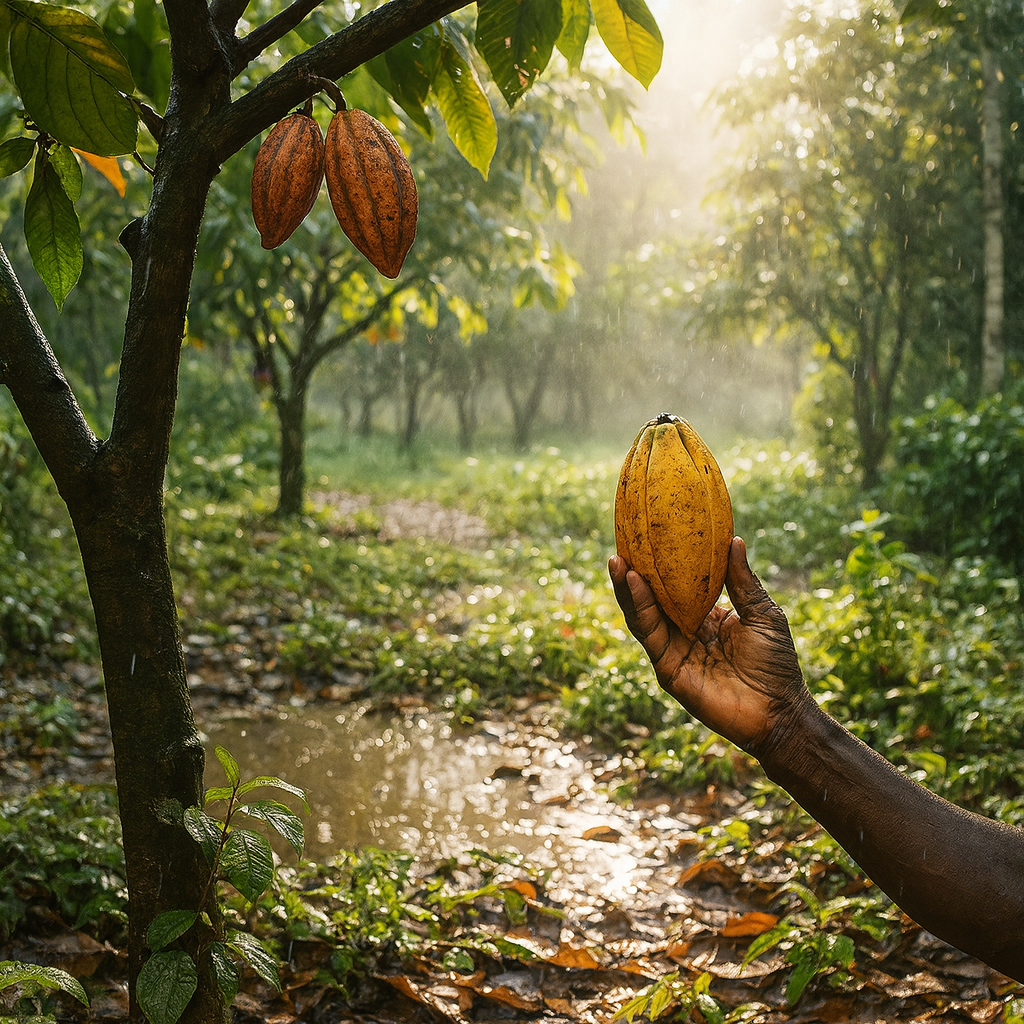
Below-average rainfall across key cocoa-growing regions in Ivory Coast is raising concerns among farmers about the outlook for the country’s upcoming mid-crop harvest.
Farmers reported that last week’s rainfall was insufficient, extending a period of dry weather that could disrupt the March-to-August mid-crop development. Prolonged dryness at this stage risks reducing yields and negatively affecting bean quality.
As the world’s leading cocoa producer, Ivory Coast typically enters its rainy season between April and mid-November. However, growers say the delayed and limited rains are becoming a critical issue, particularly as the crop approaches a key development phase in late May.
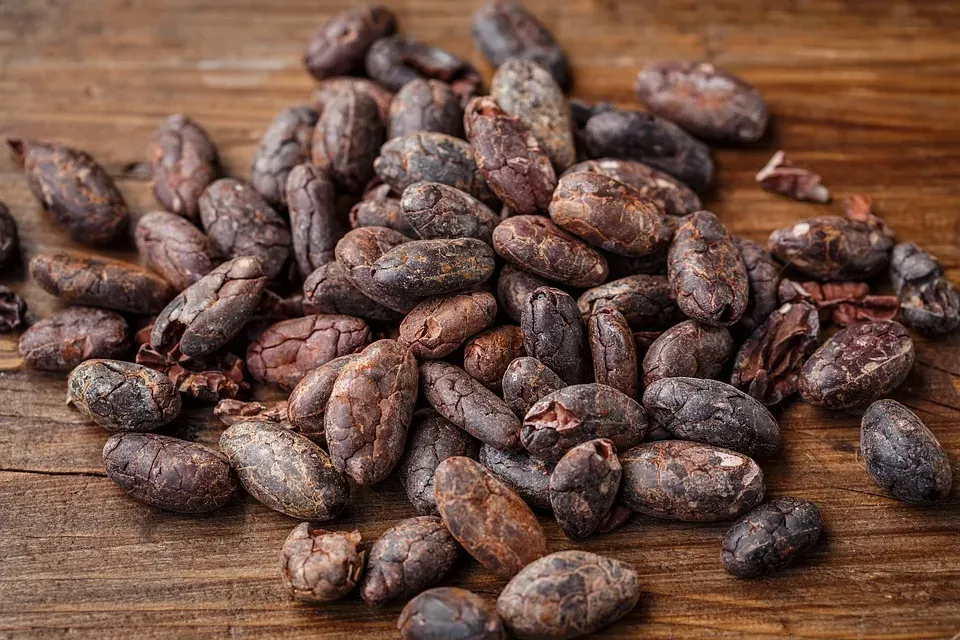
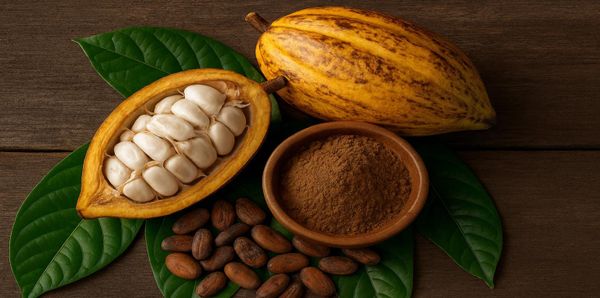
Many farmers noted that harvesting activity is already slowing, with some cocoa pods left uncollected. There are also reports of increased incidence of small, underdeveloped pods, which could further reduce output if weather conditions do not improve.
In Soubre, a major cocoa-producing area, farmers recorded just 10.9 mm of rainfall last week—well below the five-year average of 12.6 mm. Similar conditions were reported in other regions, including Agboville, Divo, and Abengourou, where persistent heat and lack of rainfall are stressing plantations.
Central regions such as Daloa, Bongouanou, and Yamoussoukro are also experiencing below-average rainfall, contributing to concerns over flower and small pod development. In Daloa, rainfall reached only 7.8 mm last week, compared to a historical average of 13.8 mm.
Farmers are hoping for a significant increase in rainfall in the coming weeks to support crop development. Without adequate precipitation, there is a growing risk that the mid-crop will be smaller and of lower quality than expected.
Temperatures across the country last week ranged between 29.1°C and 32.8°C, adding further stress to already dry conditions.
 Cocoa Intel