Ivory Coast Cocoa Mid-Crop Under Pressure as Dry Weather Persists

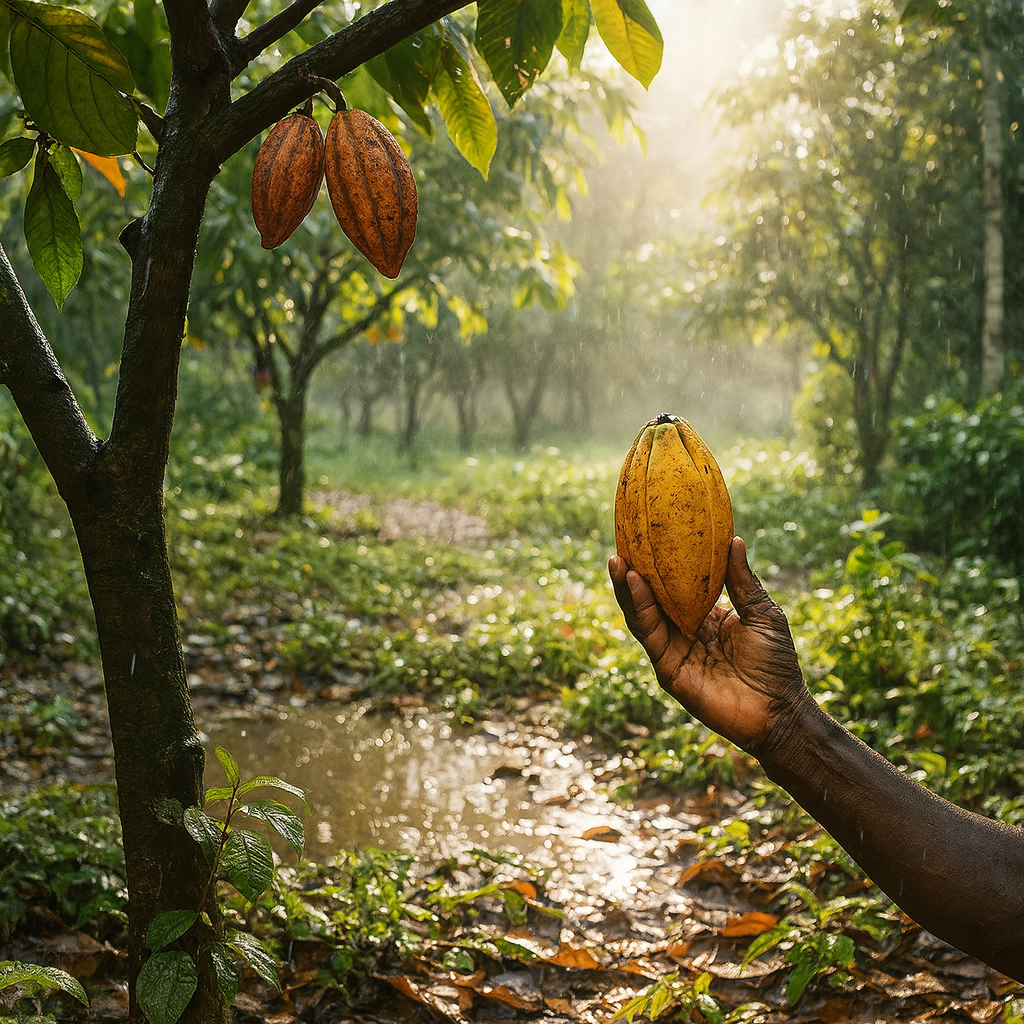
Ivory Coast’s cocoa mid-crop is facing increasing risk due to prolonged dry weather, with farmers warning that insufficient rainfall could reduce both yield and bean quality in the coming months.
According to Reuters, below-average rainfall across most cocoa-growing regions has disrupted crop development during a critical phase of the season. The mid-crop, harvested between March and August, depends heavily on consistent moisture levels beginning in April.
While harvesting activity is gradually intensifying, the overall outlook remains uncertain. Farmers report that many cocoa trees are experiencing water stress, raising concerns about smaller pods and lower-quality beans if weather conditions do not improve soon.
Reuters notes that rainfall has been uneven across the country. Western regions such as Soubre and parts of central Ivory Coast around Yamoussoukro have seen relatively better conditions. However, most producing areas—including eastern and southern zones—continue to experience deficits compared to historical averages.
“Trees need more water to grow well,” a farmer near Abengourou said in comments reported by Reuters, highlighting the impact of continued dryness in eastern regions.
Similar observations have been made in key cocoa-producing areas such as Agboville, Divo, Daloa, and Bongouanou. Farmers in these regions warn that without near-term rainfall, the size and quality of cocoa beans could decline significantly.
“If there isn’t enough rain, the beans will be very small and of poor quality,” one farmer explained, according to Reuters.
Weather data supports these concerns. Rainfall in several regions remains below the five-year average, while temperatures have ranged between 28°C and 32°C over the past week—conditions that can further stress cocoa trees.
The coming weeks will be critical for the crop. Farmers indicate that adequate rainfall before mid-May could still support recovery. Without it, Ivory Coast’s cocoa supply outlook for the mid-crop season may weaken, potentially impacting global cocoa markets.
Source: Reuters
 Cocoa Intel